 Reviews



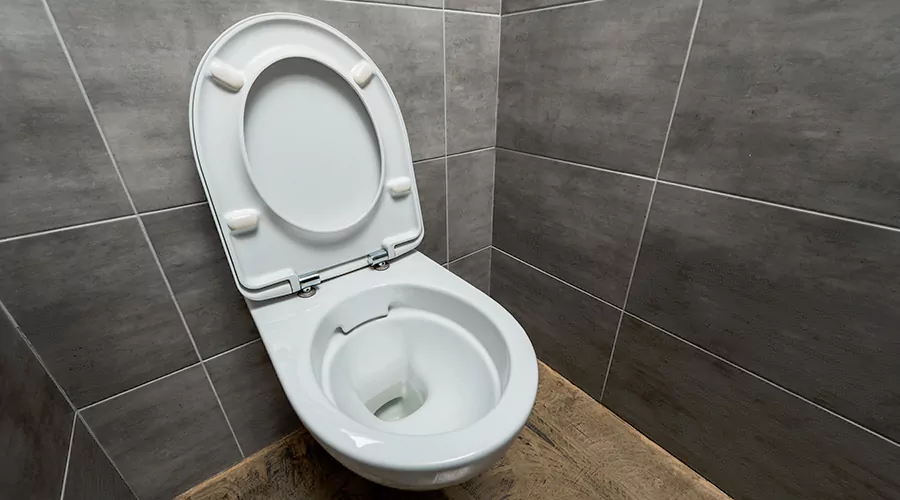
Low water in a toilet bowl often comes from an incorrectly positioned refill tube or restricted fill valve, while professional toilet repair averages about $271 in 2026. A venting problem or bowl damage can also lower the water level after the toilet initially fills normally. Bathroom plumbing issues may also contribute when the problem involves the toilet’s water supply or drainage.
When you notice low water in toilet bowl after every flush, first determine whether the bowl never fills correctly or loses water afterward.
Those two patterns point toward different causes. Refill problems start inside the tank. Water that disappears later can involve drainage or the fixture itself.
How Much Water Should Be in a Toilet Bowl?
The correct bowl level is determined by the toilet's internal trap geometry rather than one universal measurement. Water normally rises to a stable point after the refill cycle and then stops. Adding more water than the trap can hold simply sends the excess down the drain.
- Mark the current water line with a pencil.
- Then add water slowly.
- Wait about one minute.
- Watch where the water finally settles.
That final point shows the bowl's natural standing level. Fluidmaster uses this type of test when setting bowl refill volume. The manufacturer recommends filling the bowl and allowing the level to settle before marking the normal line. A bowl that cannot reach that mark during a normal refill needs further checking.
What Causes Low Water in a Toilet Bowl?
Low bowl water usually comes from too little refill water reaching the overflow tube or from water being pulled out after filling. A damaged refill tube is one common cause. Restricted fill-valve flow can produce the same symptom.
Home Depot identifies several common possibilities.
- The refill tube can be damaged.
- The refill tube can also be positioned incorrectly.
- Low tank water can reduce bowl refill.
- Clogged inlet holes can weaken water delivery.
- A cracked bowl can allow water to escape.
Home Depot recommends checking the fill tube position before moving to more involved repairs. A venting issue creates a different pattern because the bowl can fill correctly at first and then lose water.
How Does a Low Bowl Water Problem Progress?
Low bowl water can begin as a minor refill change before flush performance starts suffering. The water seal also helps separate the bathroom from the drainage system. A very low level therefore deserves attention even when the toilet still flushes.
| Stage | What You Notice | Likely Area | 2026 Cost Exposure |
|---|---|---|---|
| Early | Slightly lower water line | Refill setting | Often DIY |
| Moderate | Weak bowl refill | Fill tube or valve | $50 to $150 valve work |
| Persistent | Level drops after filling | Venting or fixture | Broader diagnosis |
| Physical damage | Water continues disappearing | Cracked bowl | $70 to $100 bowl part |
Angi lists valve replacement around $50 to $150 in 2026. A replacement toilet bowl averages about $70 to $100 before labor. The way the water level changes tells you where to investigate first.
How Do You Check the Refill Tube?
The refill tube carries part of the fill-valve flow into the overflow tube after each flush. That water ultimately restores the normal level inside the bowl. If the tube is disconnected or aimed elsewhere, the tank can fill correctly while the bowl remains too low.
- Remove the tank lid.
- Find the small flexible refill tube.
- Follow it from the fill valve.
- Its outlet should direct water into the overflow tube.
- Flush once and observe the refill cycle.
- Water should move through the tube while the tank fills.
Korky states that a disconnected refill tube causes the tank to refill while the bowl receives too little water. Reconnect the tube if it has slipped out of position. Do not push it deeply into the overflow opening because incorrect placement can create unwanted siphoning behavior.
Can the Fill Valve Cause Low Bowl Water?
Yes. A restricted fill valve can reduce the amount of water delivered through the refill tube. Mineral deposits or sediment can limit this flow even when enough water eventually reaches the tank. The bowl then finishes the refill cycle below its intended level.
- Watch the refill tube during a flush.
- Strong tank refill with little tube flow points toward the valve or refill adjustment.
- Some valves include a bowl refill control.
- Make sure it has not been set too low.
Korky recommends checking the refill adjustment before replacing the valve. If very little water flows through the tube, debris inside the fill valve may need cleaning. A damaged valve may require replacement.
Can the Tank Water Level Affect the Bowl?
Yes. A low tank setting can reduce the amount of water available for the flush and refill cycle. Many toilets have a water-level mark inside the tank. The float and fill valve should stop water at the manufacturer's specified position.
Home Depot notes that tank water is often set about 1 to 2 inches below the overflow tube depending on the toilet design. Always follow the actual toilet's marked level when one is present.
- A float set too low can cause weak flushing.
- Raise it only according to the valve design.
- Do not raise the water above the intended setting.
- Water entering the overflow tube continuously creates a different problem.
The correct adjustment gives the toilet enough water without creating constant waste.
Can a Clogged Rim Cause Low Bowl Water?
Restricted bowl inlet holes can reduce the volume and speed of water entering during a flush. Mineral deposits can build up under the rim over time. Uneven water delivery may then leave the bowl with weaker flushing action and poor refill behavior.
- Use a small mirror to inspect under the rim.
- Look for visible mineral deposits.
- Compare water flow around the bowl during a flush.
Home Depot recommends checking inlet holes when a toilet does not flush completely. Its 2026 guide suggests hot vinegar as one way to loosen mineral buildup before carefully clearing affected openings. Avoid enlarging the openings. The goal is to remove buildup rather than modify the toilet.
Why Does the Water Level Drop After the Bowl Fills?
Water that reaches a normal level and then falls later points away from a simple refill adjustment. Drain vent pressure can siphon water from a fixture trap under certain conditions. Damage to the toilet bowl can also allow standing water to escape.
- Notice when the level changes.
- If it drops when another fixture drains, venting deserves attention.
This Old House explains that improper venting can create negative pressure that pulls water from a toilet trap when another fixture discharges.
- A crack creates a different pattern.
- Check around the toilet for moisture.
- Home Depot recommends replacing a bowl if a crack is responsible for persistent water loss.
- Do not ignore unexplained water outside the fixture.
Can Low Bowl Water Cause Toilet Problems?
A low bowl level can reduce flush effectiveness because the toilet begins the cycle with less standing water than intended. A weak flush can then leave paper behind. The reduced water seal can also make drain odors more noticeable.
- Korky notes that incorrect refill-tube operation can create a low bowl level and contribute to slow flushing.
- This should not be confused with water efficiency.
- WaterSense toilets use no more than 1.28 gallons per flush while meeting performance requirements.
- A correctly operating efficient toilet should still restore its designed bowl level.
- If the level has changed from its normal pattern, investigate the refill system rather than assuming the toilet simply uses less water.
What Safe Test Can You Do Today?
You can find the bowl's natural water level with a simple controlled-fill test. This helps separate an incorrect refill amount from water loss after the refill cycle. The test does not require opening drain piping or removing the toilet.
- Wait for the bowl to settle.
- Mark the existing level.
- Slowly add clean water.
- Stop once the level begins approaching its normal high point.
- Wait about one minute.
- Mark the new settled level.
Fluidmaster uses a similar process when adjusting bowl refill settings. Compare the refill result with the settled mark. If the normal cycle stops below that line, investigate the refill tube or fill valve. If the toilet reaches the line and later drops below it, look beyond the refill adjustment.
When Should You Call a Professional?
Professional diagnosis is appropriate when the bowl fills normally and later loses water without a visible explanation. Venting problems are difficult to confirm from the toilet alone. A cracked fixture or persistent external leak also deserves prompt attention.
General toilet repairs average about $271 in 2026 with a normal reported range of about $150 to $391. Valve replacement runs around $50 to $150.
Professional help makes sense when:
- The bowl loses water repeatedly.
- Another fixture changes the bowl level.
- Sewer odor becomes noticeable.
- A crack appears in the porcelain.
- Water collects around the toilet.
- Fill-valve adjustments do not restore the level.
A professional can separate fixture problems from vent or drain conditions that are not visible inside the tank.
How Can You Prevent Low Toilet Bowl Water?
Check refill behavior whenever you service parts inside the tank. A refill tube can be knocked loose during unrelated work. Sediment can also accumulate gradually inside the fill valve and change the amount of water reaching the bowl.
- Keep the refill tube properly positioned.
- Watch the tank water level.
- Clean visible mineral buildup.
- Respond when the flush becomes weaker.
- Check for water around the base.
- Notice whether other fixtures affect the bowl.
Fluidmaster recommends matching the bowl refill to the toilet's settled water line rather than sending excess water down the drain. That adjustment preserves normal bowl performance without wasting refill water.
Conclusion
Persistent low water in toilet bowl usually comes from the refill system or from water leaving after the bowl has already filled. Check the refill tube and tank level first. Then examine fill-valve flow. A level that drops later can point toward venting or fixture damage. If the cause remains unclear, professional diagnosis can protect the water seal. This week, mark your bowl's normal settled level and compare it after the next flush.
Frequently Asked Questions
Why is my toilet bowl low but the tank is full?
The refill tube may not be sending enough water into the overflow tube. The tank can reach its normal level while the bowl remains underfilled.
Can low toilet bowl water cause sewer smell?
Yes. The standing water forms part of the trap seal that separates the room from drainage gases.
Why is the bowl water low only sometimes?
Intermittent refill-valve operation or changing drain pressure can produce an inconsistent level. Watch whether another fixture is running when the level changes.
Can hard water lower the bowl level?
Mineral buildup can restrict refill or bowl inlet passages. The deposits do not directly change the trap's designed water line.
Can I simply pour more water into the bowl?
You can use added water as a diagnostic test. If the bowl later falls back to a lower level, adding water does not address the underlying cause.
Does a low-flow toilet naturally have less bowl water?
Some designs use different bowl volumes. A sudden change from the toilet's established normal water line still deserves investigation.